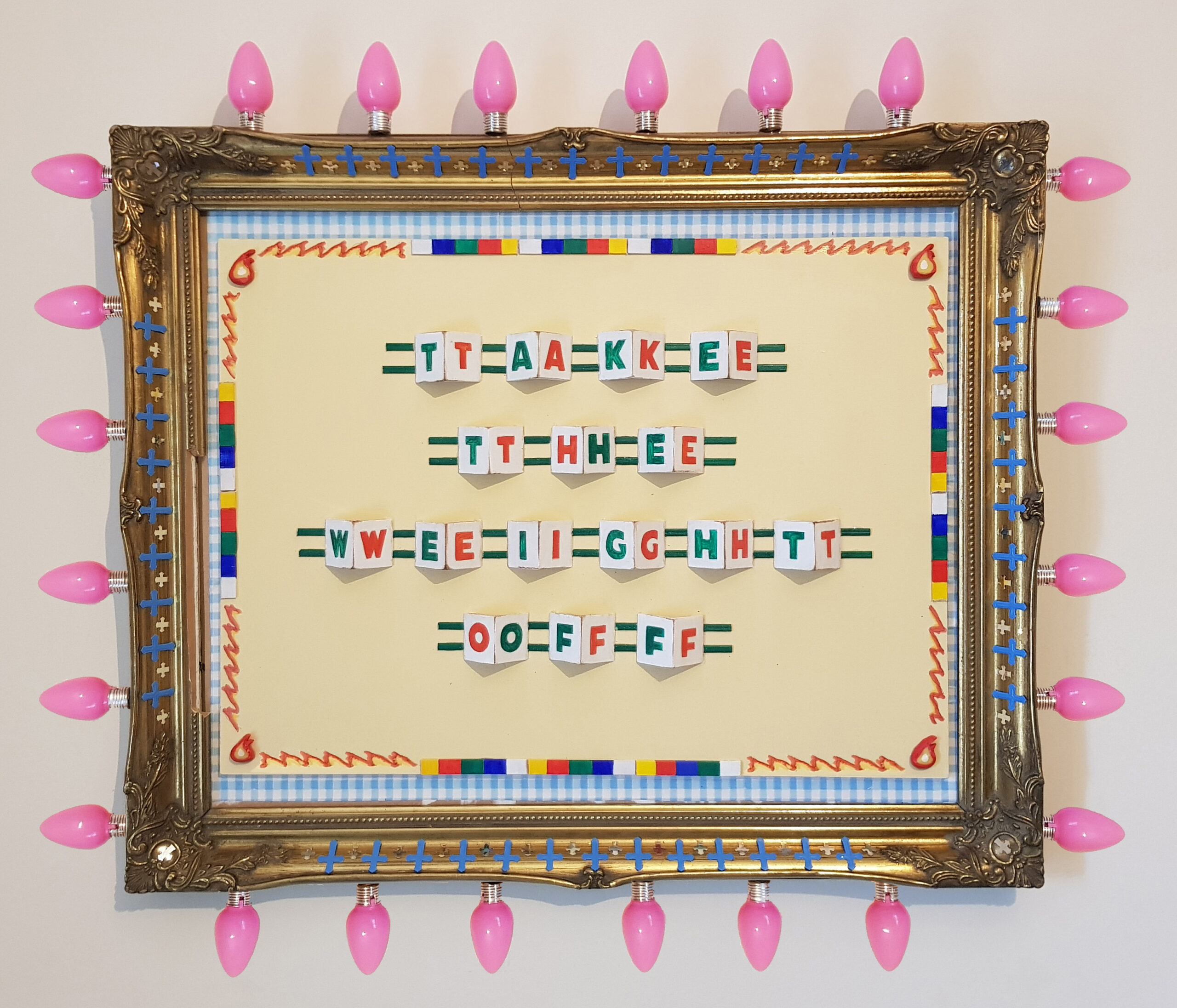
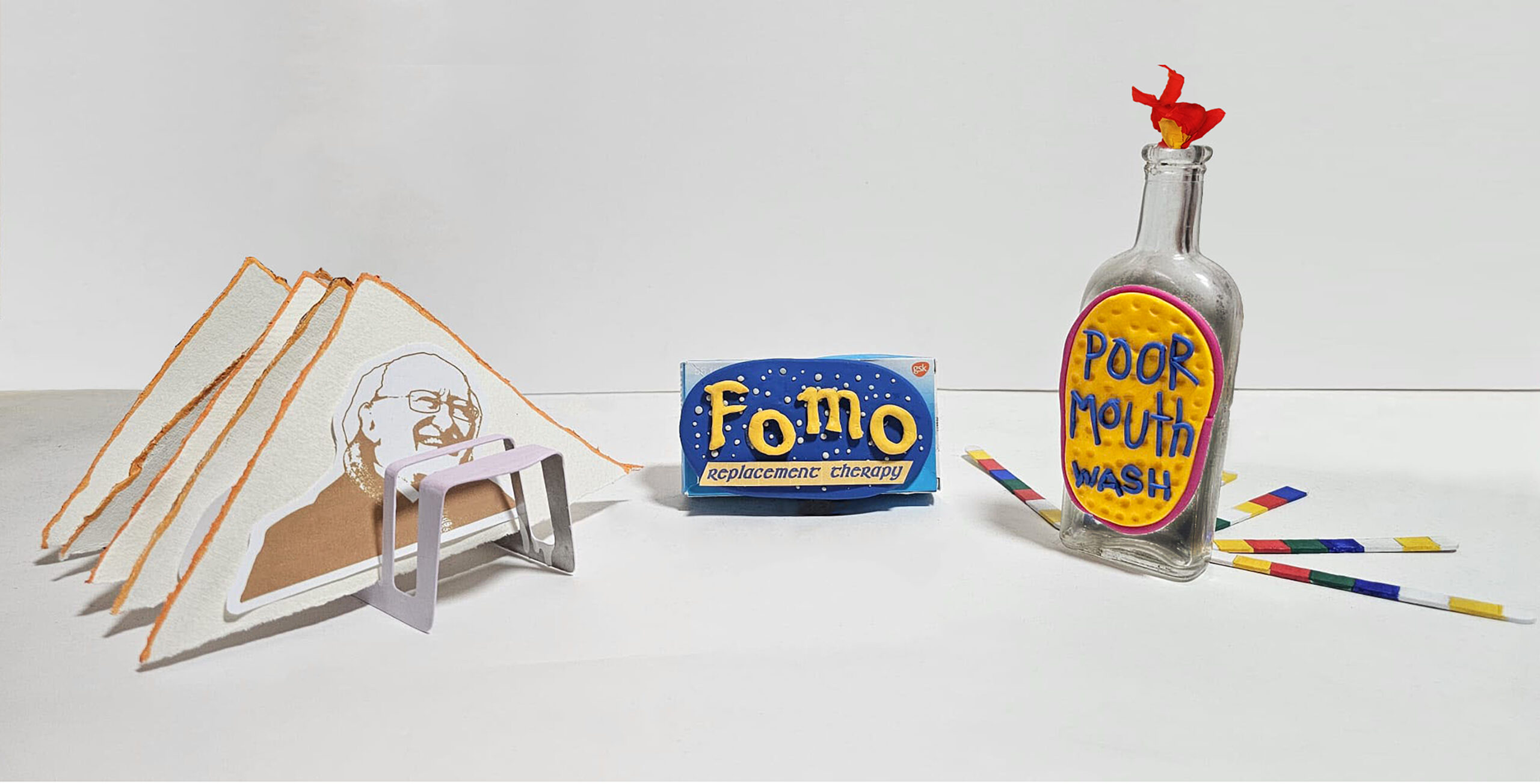
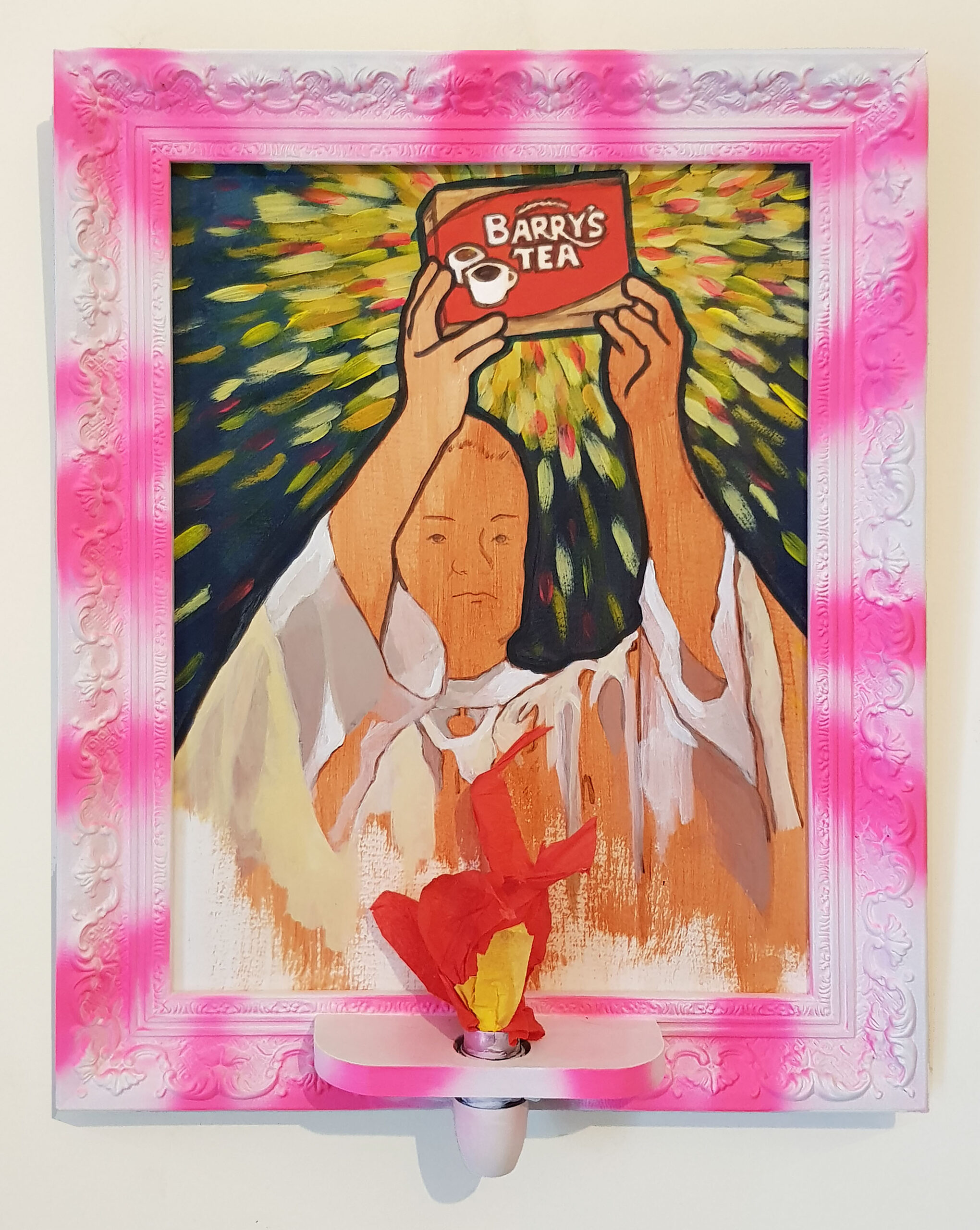
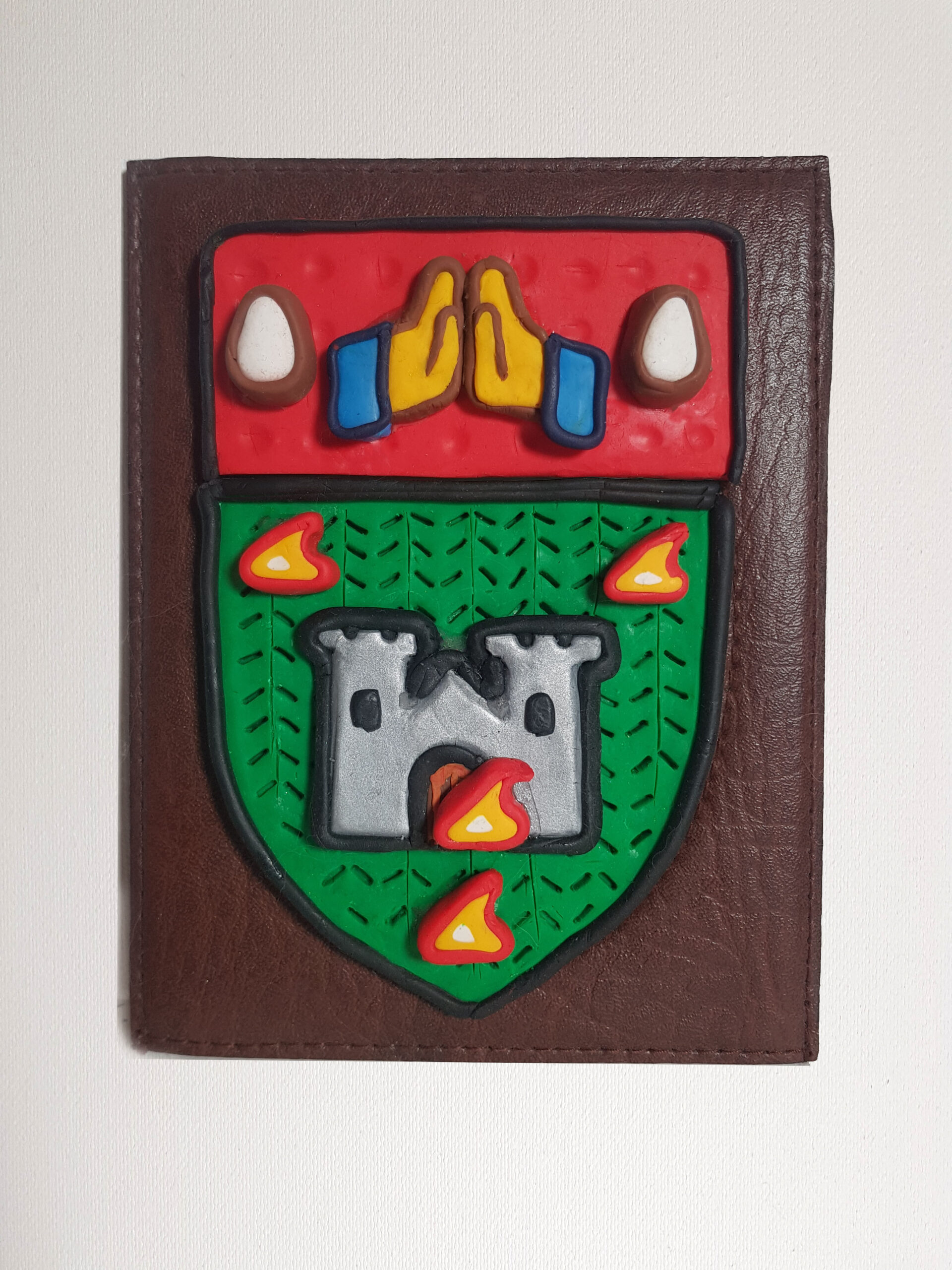
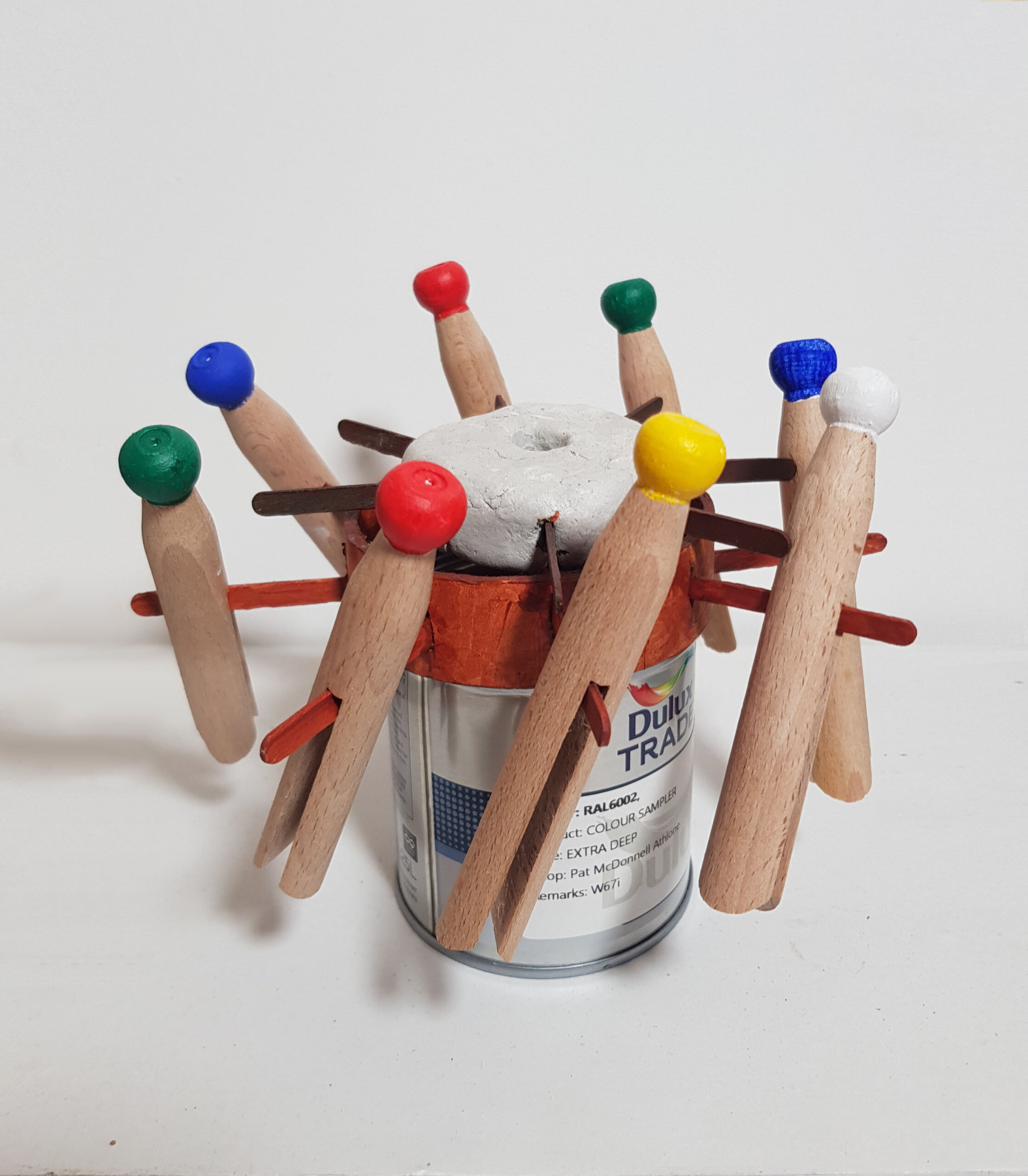
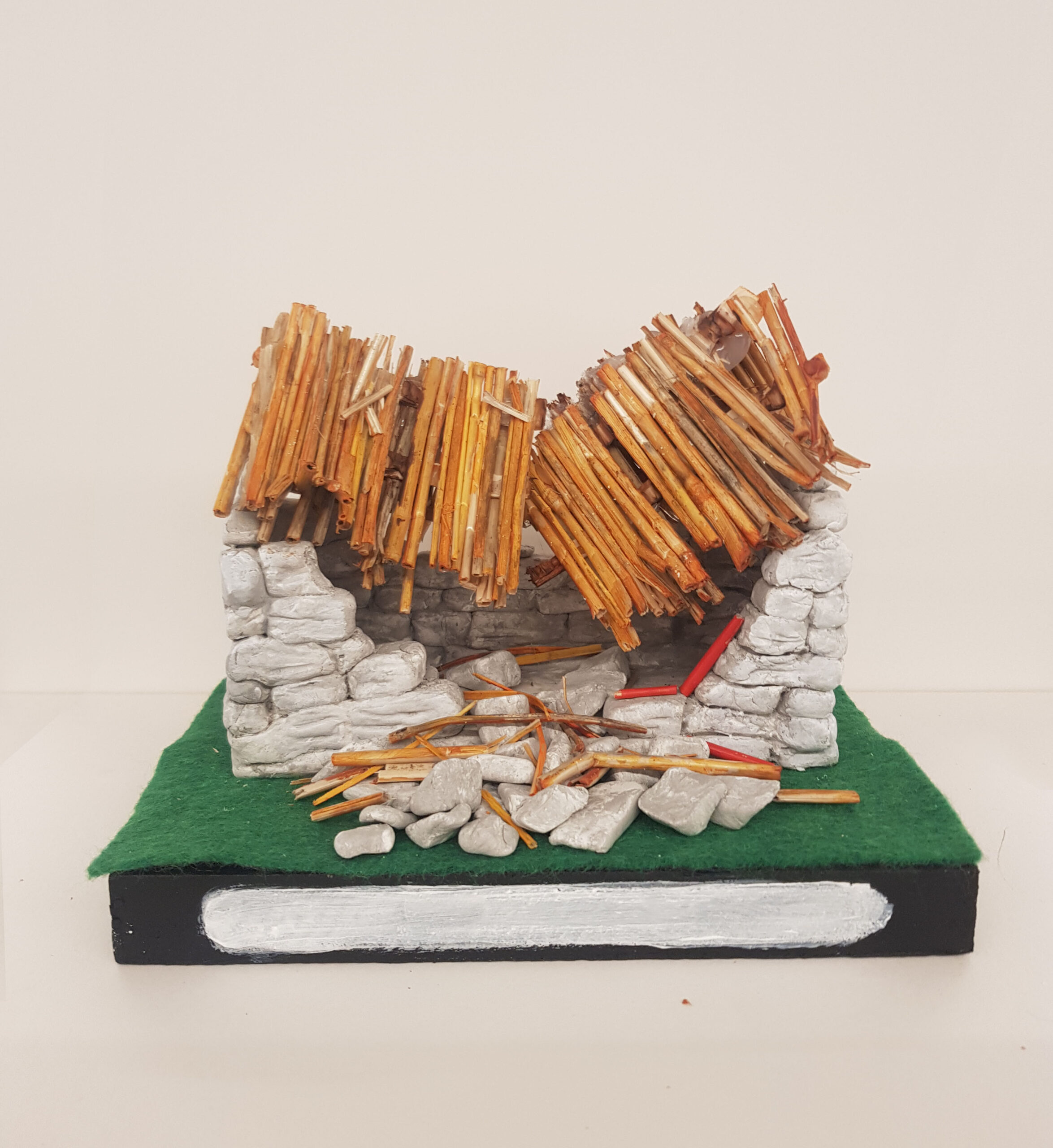
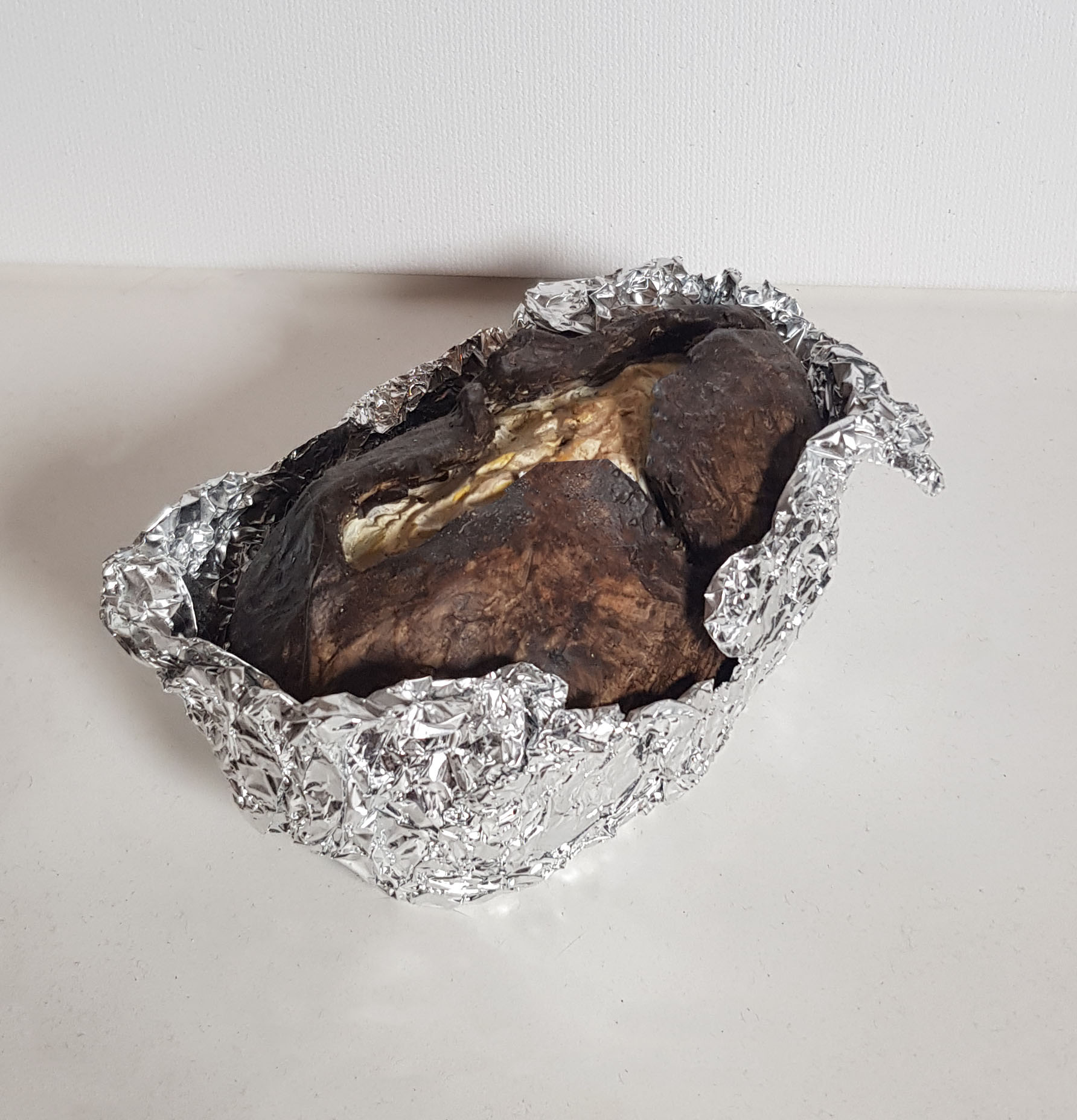
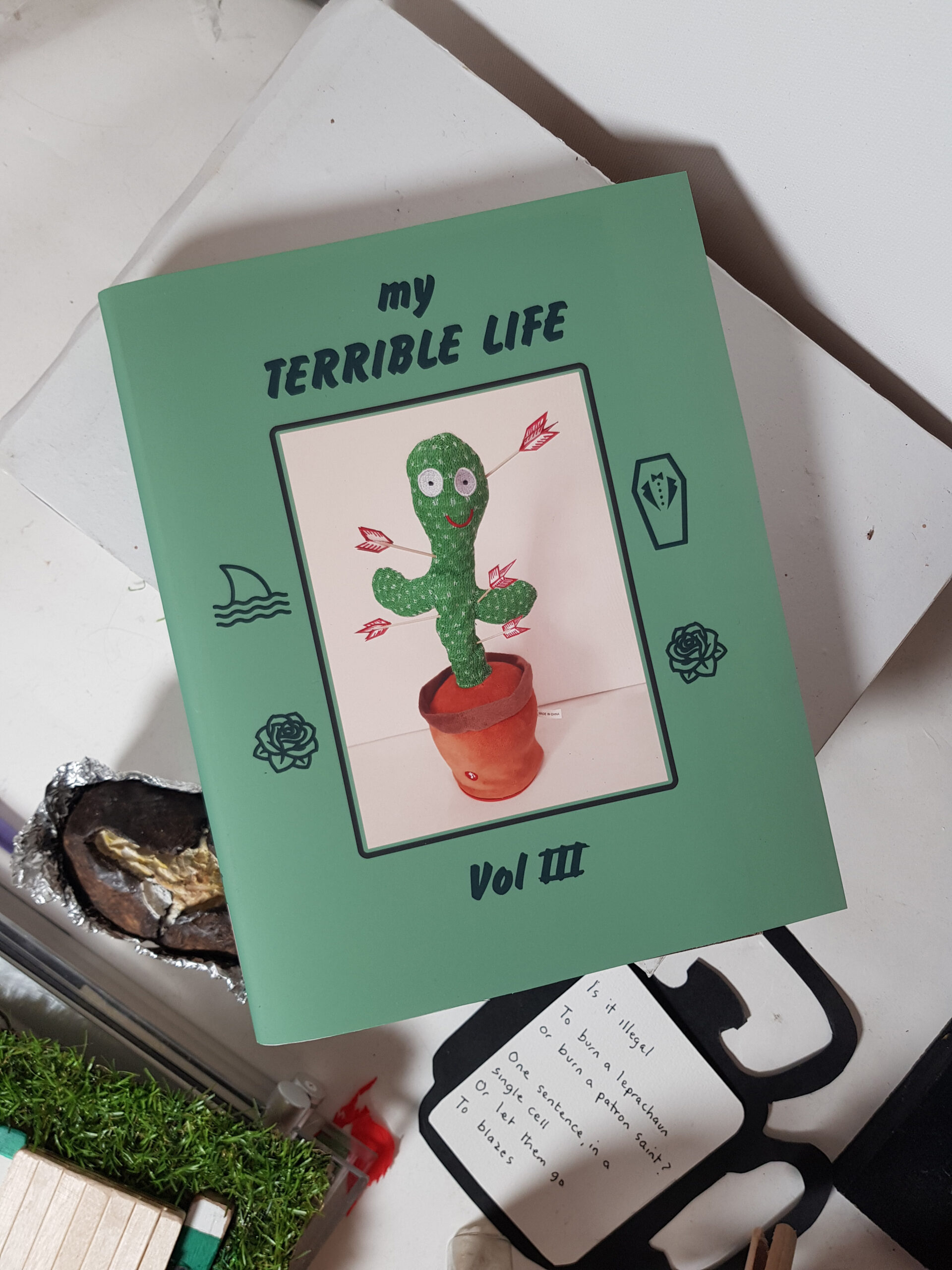
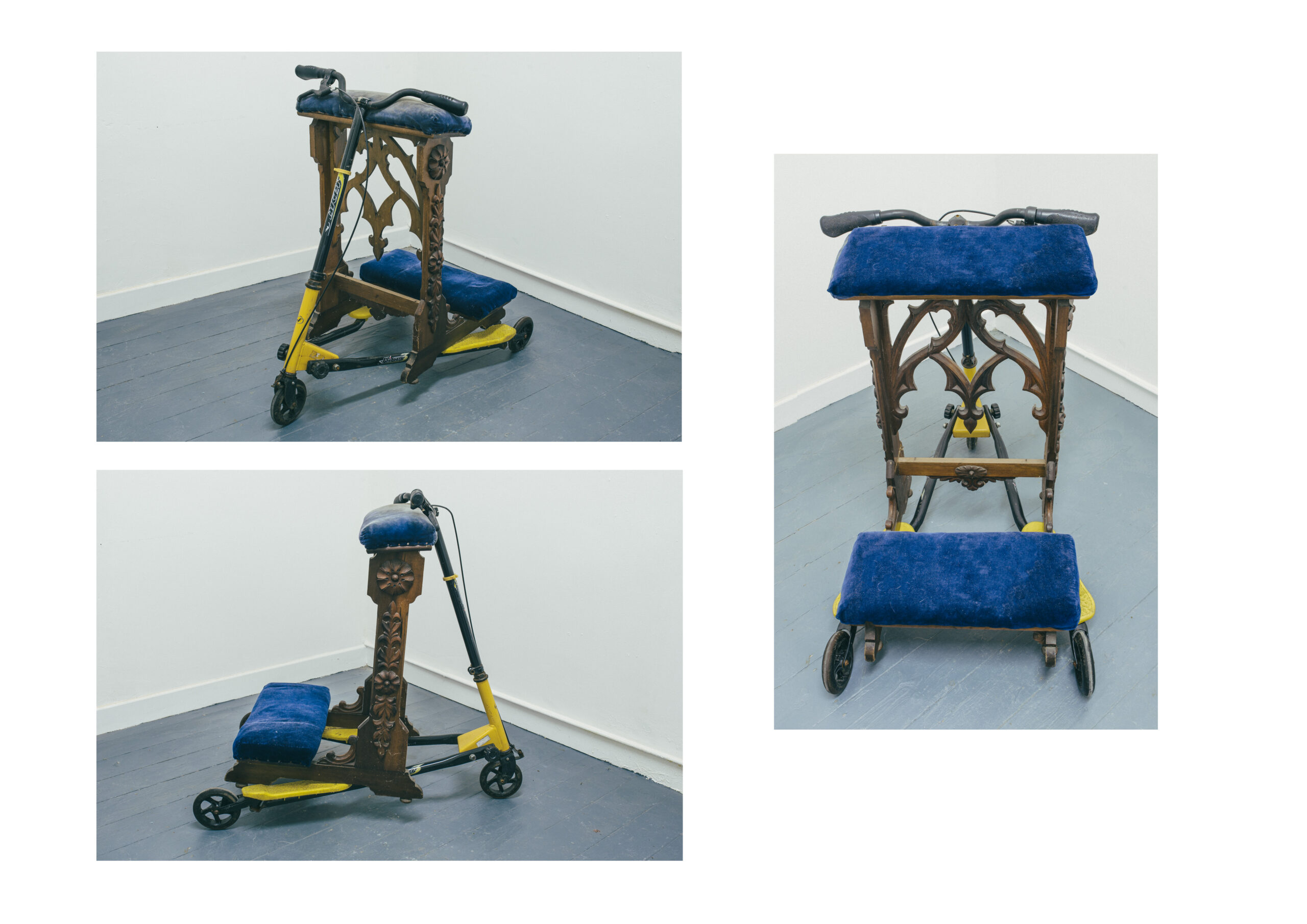
Take The Weight Off reimagines ritual and symbolism as acts of release and renewal, confronting the lingering weight of inherited trauma shaped by colonial, religious, and capitalist histories.
Through humour, ritual, and vernacular form, it proposes a collective transcendence – acknowledging the residue of history while opening space for renewal and the reconstruction of self.
Take The Weight Off reimagines ritual and symbolism as acts of release and renewal, confronting the lingering weight of inherited trauma shaped by colonial, religious, and capitalist histories.
Through humour, ritual, and vernacular form, it proposes a collective transcendence – acknowledging the residue of history while opening space for renewal and the reconstruction of self.
Take The Weight Off reimagines ritual and symbolism as acts of release and renewal, confronting the lingering weight of inherited trauma shaped by colonial, religious, and capitalist histories.
Through humour, ritual, and vernacular form, it proposes a collective transcendence – acknowledging the residue of history while opening space for renewal and the reconstruction of self.
Take The Weight Off reimagines ritual and symbolism as acts of release and renewal, confronting the lingering weight of inherited trauma shaped by colonial, religious, and capitalist histories.
Through humour, ritual, and vernacular form, it proposes a collective transcendence – acknowledging the residue of history while opening space for renewal and the reconstruction of self.
Take The Weight Off reimagines ritual and symbolism as acts of release and renewal, confronting the lingering weight of inherited trauma shaped by colonial, religious, and capitalist histories.
Through humour, ritual, and vernacular form, it proposes a collective transcendence – acknowledging the residue of history while opening space for renewal and the reconstruction of self.
Take The Weight Off reimagines ritual and symbolism as acts of release and renewal, confronting the lingering weight of inherited trauma shaped by colonial, religious, and capitalist histories.
Through humour, ritual, and vernacular form, it proposes a collective transcendence – acknowledging the residue of history while opening space for renewal and the reconstruction of self.